
Seal of the Court
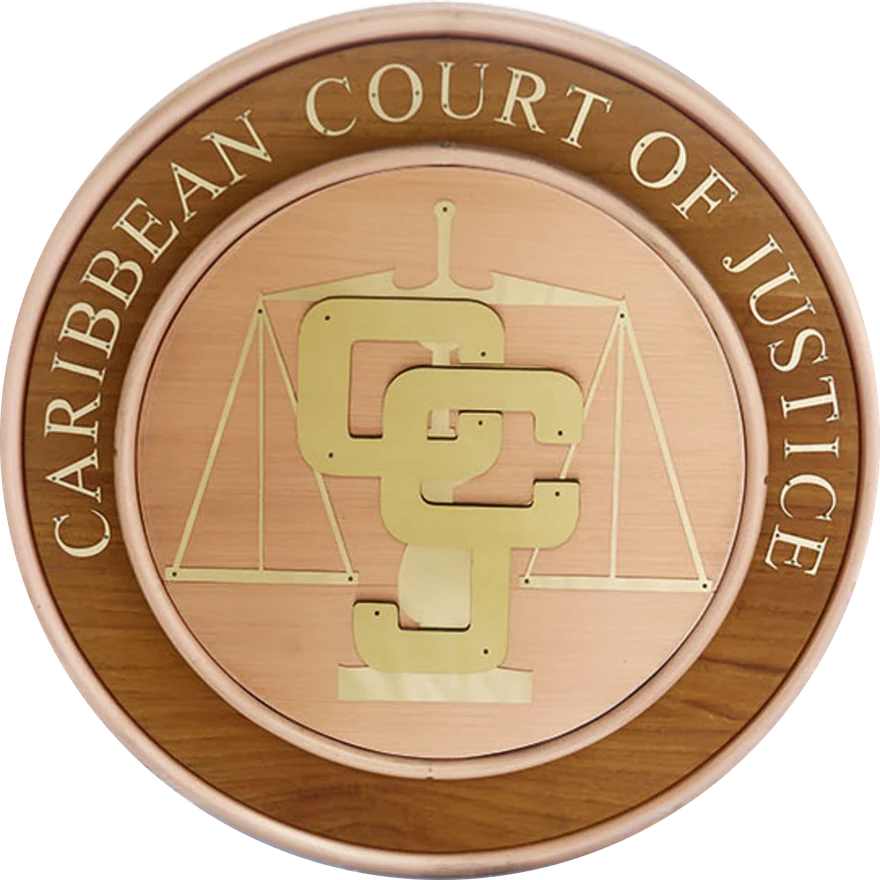
The Seal of the Caribbean Court of Justice is the winning design of two young men, Mr. Brent Matthew and Mr. Shawn Chong Ashing of Trinidad and Tobago, following a CARICOM-wide competition in 2004.
- Designers
- Mr. Brent Matthew and Mr. Shawn Chong Ashing — Trinidad and Tobago
- Competition
- CARICOM-wide design competition, 2004
- Craft
- Brass and teak, by renowned Caribbean chemist, metallurgist and jeweller, Gillian Bishop
- Custody
- Entrusted to the Registrar and Chief Marshal, Ms. Paula Pierre, at the inauguration of the Caribbean Court of Justice
“Court shall have and use, as occasion may require, a Seal having a device or impression with the inscription ‘Caribbean Court of Justice’.”
Article III · Agreement Establishing the Caribbean Court of Justice
Historically, a seal was used by attaching an impression or a piece of wax bearing it to a document as a guarantee of authenticity, or to an envelope to show that (while the seal remained unbroken) the contents have not been tampered with since the seal was affixed.
The sealing of a document traditionally authenticates it. Hence, this practice of sealing court documents is seen as a vital part of establishing authenticity.